Heart Chakra Healing After Breakup: Your Complete Guide
Quick Overview
This guide explores heart chakra healing techniques commonly used after relationship endings in spiritual and energy work traditions. You’ll learn:
- How practitioners work with Anahata (heart chakra) during emotional recovery
- Crystal healing methods traditionally used for heartbreak and grief
- Meditation and visualization practices from energy healing communities
- Affirmations, yoga poses, and lifestyle changes supporting emotional balance
Important: This article presents spiritual beliefs and traditional practices, not medical or psychological advice. If you experience persistent grief, depression, anxiety, or other mental health concerns following a breakup, please consult qualified healthcare professionals. These techniques are not substitutes for professional medical or therapeutic care.
Understanding Heart Chakra Healing After Breakup Trauma
Relationship endings create intense emotional and energetic challenges that many people navigate through both conventional and spiritual approaches. In energy work traditions, heartbreak is understood not just as an emotional experience but as an energetic disruption in what practitioners call the heart chakra – the fourth primary energy center.
Heart chakra healing after breakup combines practices from crystal work, meditation, yoga, and other spiritual traditions. Practitioners describe these techniques as addressing the energetic patterns created by relationship loss, supporting emotional recovery through work with subtle energy systems.
This guide explores traditional methods used in heart chakra healing practices, along with the spiritual beliefs surrounding these techniques. The approaches presented reflect perspectives commonly shared within energy healing and meditation communities, not medical or therapeutic treatment.
What Is the Heart Chakra (Anahata)?
The heart chakra, known as Anahata in Sanskrit, is described in Hindu and tantric yoga traditions as the fourth primary energy center. According to these traditions, Anahata is located at the center of the chest and is associated with love, compassion, emotional openness, and relational connection.
Traditional yogic teachings describe the heart chakra as functioning like an emotional headquarters in the body’s energy system. When balanced, practitioners report feeling warm, open, and able to trust others without excessive guardedness. Authentic love flows freely without becoming clingy or desperate. Boundaries exist without creating complete emotional walls.
The heart chakra is believed to connect the lower three chakras (associated with physical and material concerns) with the upper three chakras (associated with spiritual awareness). In traditional frameworks, when this center becomes disrupted, practitioners describe effects rippling through multiple life areas including emotional regulation, sleep quality, decision-making capacity, and even physical wellbeing.
How Breakups Create Energetic Blockages
Energy work traditions describe specific patterns that occur during relationship endings. When people are in intimate relationships, practitioners believe invisible energetic connections form between partners. These connections are described as creating sensitivity to each other’s emotional states – the experience of sensing a partner’s mood before they speak, or knowing something is wrong without verbal communication.
During breakups, these energetic connections don’t simply fade according to traditional beliefs – they are described as being torn or severed abruptly. This creates what practitioners call blockages in the heart chakra. The energy system is believed to enter protective mode, building walls around the heart center.
The challenge practitioners describe is that these protective walls don’t selectively block only pain. They are believed to restrict all emotional flow – love, joy, connection, and trust become difficult to access. Mental patterns of replaying difficult moments from the relationship feed these energetic blockages, creating cycles that practitioners work to interrupt through various healing techniques.
Many practitioners describe spending weeks or months cycling through anger, grief, and emotional numbness following relationship endings. Traditional heart chakra work addresses these patterns from an energetic perspective rather than purely psychological approaches.
Signs Your Heart Chakra Needs Healing After Breakup
Physical Symptoms to Recognize
Practitioners commonly report that physical sensations appear before conscious emotional awareness catches up. In heart chakra frameworks, the body is understood as reflecting energetic patterns through physical manifestations.
Chest tightness represents one of the most frequently described symptoms. Practitioners report sensations of heaviness or pressure in the chest area that persist even when not actively thinking about the breakup. This physical sensation is interpreted in energy work as the heart chakra contracting defensively.
Heart palpitations are another commonly reported pattern. Practitioners describe experiencing racing heartbeat or fluttering sensations without apparent physical cause. Medical evaluation typically reveals no cardiac issues, yet the palpitations continue – interpreted in traditional frameworks as energetic disruption in the heart center.
Muscle tension, particularly in shoulders and upper back, is frequently associated with heart chakra blockages. Practitioners describe this tension as physically holding unexpressed emotions and energetic constriction. The tension may resist typical relief methods because practitioners view it as energetically rather than purely physically generated.
Some practitioners also report circulation changes (cold hands and feet), persistent fatigue unrelieved by rest, and general physical depletion that they associate with intensive emotional energy processing.
Emotional and Mental Indicators
Trust becomes significantly compromised when the heart chakra closes according to practitioners. Many describe questioning everyone’s motives – friends, family, even strangers – as the energy system attempts to prevent future emotional injury. Hypervigilance develops as what practitioners view as energetic self-protection.
Emotional numbness represents another common pattern practitioners describe. Rather than constant crying, many report feeling nothing – interpreted as the heart chakra completely shutting down to avoid pain. This protective mechanism works temporarily but practitioners view sustained numbness as requiring energetic intervention.
Vulnerability feels terrifying according to many practitioners’ accounts. Social invitations get declined, conversations stay surface-level, and authentic connection feels too risky. The idea of someone having emotional power again creates intense resistance in traditional frameworks.
Grief arrives unpredictably according to practitioner reports. A song, a scent, or random trigger suddenly returns someone to acute pain. These waves are understood in energy work as the heart chakra releasing stored emotional energy in cycles.
Spiritual Signs You Need Heart Chakra Healing After Breakup
Self-love becomes nearly impossible when the heart center carries trauma according to spiritual traditions. Practitioners describe intensely negative self-talk – everything becoming their fault, feeling fundamentally unworthy or broken. This internal criticism is viewed as heart chakra imbalance manifesting psychologically.
Compassion for others diminishes significantly in many practitioners’ experiences. Some report genuine anger toward happy couples, resentment when friends discuss relationships, or losing capacity for others’ joy. The inability to feel happiness for others is interpreted as heart chakra constriction affecting empathic capacity.
Hopelessness about future relationships represents what practitioners consider a severe spiritual symptom. Complete conviction that love is impossible, that one is fundamentally broken, or that all relationships end in pain creates what energy workers describe as energetic stagnation blocking new opportunities from manifesting.
Crystal Healing for Heart Chakra Recovery
Rose Quartz: The Stone of Unconditional Self-Love
Rose quartz has been used since ancient times in various cultures, with rose quartz beads dating back to 7000 BC found in Mesopotamia. Romans used rose quartz as seals signifying ownership, while Egyptians believed the stone could prevent aging.
In modern crystal healing traditions, rose quartz is described as carrying gentle, nurturing energy believed to slowly dissolve emotional walls. Practitioners use this pale pink stone as a focal point during difficult emotional moments, finding the physical object provides grounding during mental spiraling.
Traditional practice involves carrying small rose quartz pieces throughout the day. Many practitioners describe holding the stone during overwhelming moments as creating tangible grounding. Whether attributed to the crystal’s properties or the physical focus, practitioners report this technique as genuinely helpful.
Nighttime placement of rose quartz on the chest during breathing exercises is common practice. Practitioners visualize pink light melting pain and replacing it with acceptance according to traditional methods. Many report improved sleep quality using this technique.
Green Aventurine: Emotional Recovery and New Beginnings
Green aventurine is traditionally described as encouraging emotional recovery and optimism about the future. The green color is believed to align with the heart chakra’s natural vibration in energy work frameworks.
Practitioners commonly keep green aventurine on nightstands and hold it during journaling sessions. Having a physical object to anchor awareness while processing emotions is described as making the work feel less overwhelming. Whether the crystal’s properties or the anchoring effect creates benefit, practitioners report consistent results.
Visualization exercises with green aventurine commonly involve imagining green light dissolving old relationship patterns and planting seeds for healthier connections. Practitioners describe this technique as gradually shifting mindset from victim consciousness to active healing participation.
Amazonite: Communication and Truth
Amazonite, a blue-green stone, is traditionally used to support honest communication. Practitioners struggling to discuss their experience without either shutting down or having emotional overwhelm use this crystal as a focus during expressive work.
Journaling exercises incorporating amazonite help practitioners access deeper truths about relationship patterns according to traditional use. Holding the stone while asking difficult self-reflection questions is described as maintaining present awareness instead of triggering defensive responses.
Some practitioners create amazonite-infused water by leaving cleansed stones in glasses overnight, then drinking while setting intentions for clear communication and emotional honesty. While the water may not absorb measurable properties, the ritual is described as supporting focused healing intentions.
More Crystals for Heart Chakra Healing After Breakup
Malachite is described as intense and accelerating in crystal healing traditions. This deep green stone is believed to speed transformation but practitioners emphasize using it only when feeling emotionally strong enough for intensive processing. It reportedly breaks through stubborn patterns but not gently.
Prehnite is commonly used for forgiveness work according to practitioners. This gentle yellow-green stone is described as soothing anger and resentment. Meditation with prehnite supports releasing these protective but ultimately limiting emotions in traditional practice.
Rhodonite works well for days when grief feels unbearable according to crystal healing frameworks. This pink and black stone is believed to help process sadness while maintaining hope for the future. Practitioners describe it as particularly helpful for abandonment feelings.

Meditation Techniques for Anahata Healing
Basic Heart Chakra Meditation Practice
Meditation represents a core practice in heart chakra healing traditions. For those new to sitting with difficult emotions, beginning simply is recommended.
Find a location without interruptions. Sit in whatever position feels comfortable. Place one hand on your heart, one on your stomach. This creates physical connection with your heart center according to traditional practice.
Begin with breathing. Breathe in deeply, imagining bright green light entering your chest. Breathe out slowly, releasing whatever tension or pain you’re holding. The practice emphasizes observation over perfection.
Visualization involves picturing a spinning wheel of green light in your chest, intensifying with each breath. When dark spots or resistance appear – which practitioners say is inevitable – simply observe them without forcing change. This witnessing is considered part of the healing process.
Guided Visualization for Releasing Past Relationships
This technique is described as powerful for energetically disconnecting from former partners while retaining lessons learned. Practitioners visualize golden cords connecting their heart to their ex-partner’s heart. These represent emotional attachments keeping people energetically bound according to traditional beliefs.
Next, imagine holding golden scissors blessed by divine light. With compassion for both yourself and your ex-partner, visualize cutting these cords one by one. As each cord dissolves, send forgiveness and gratitude for shared experiences while releasing emotional charge according to the practice.
Create a protective bubble of white light around yourself. This boundary is believed to allow love to flow freely while preventing your ex-partner’s energy from affecting your healing process. Practitioners report doing this visualization daily for weeks until it becomes automatic.
Opening to New Love Meditation
Practitioners emphasize not rushing this practice. Attempting to open to new love prematurely feels forced and inauthentic. Traditional guidance suggests waiting until substantial healing work is complete.
When ready, begin with basic heart-opening breathing. Then visualize your heart as a garden ready for new growth. Picture yourself planting seeds of trust, compassion, and vulnerability. Water them with self-love and tend them with daily practice according to the visualization.
End by setting clear intentions for the kind of partner and relationship actually desired. Speak them aloud or write them down. Feel the energy of possibility expanding in your chest. This aligns the heart chakra with conscious relationship desires in traditional frameworks.
Affirmations and Mantras for Emotional Recovery
Self-Love Affirmations After Heartbreak
Affirmations feel uncomfortable initially according to many practitioners. Speaking kind words to yourself when feeling terrible creates significant resistance. Practitioners emphasize continuing the practice regardless of initial discomfort.
Start with simple statements: “I am worthy of love.” Say it even when disbelief is total. Especially when disbelief is total. Repeat throughout the day whenever negative inner dialogue begins.
Create personalized affirmations addressing specific challenges. For trust issues: “I trust my heart to guide me toward healthy relationships.” For forgiveness challenges: “I release resentment and choose compassion for myself and others.”
The key is catching negative thoughts as they arise and immediately countering with affirmations. This takes practice but eventually becomes automatic according to traditional use. It’s described as training the mind toward more supportive patterns.
Heart Chakra Mantras and Sound Healing
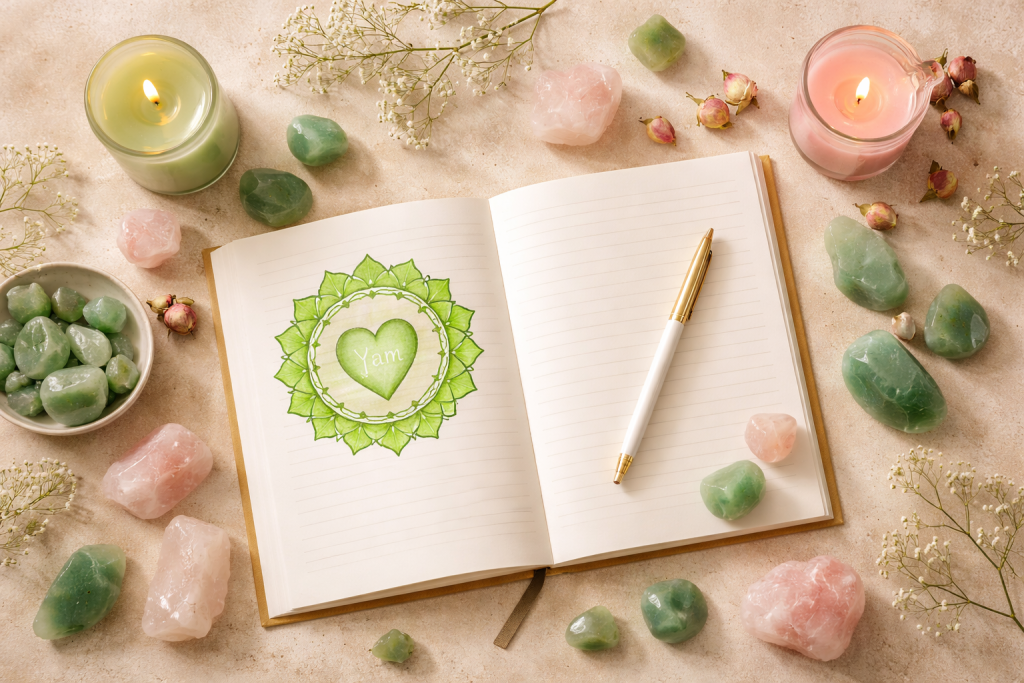
The “YAM” mantra directly activates the heart chakra through sound vibration in yogic traditions. Sit quietly and chant “YAM” (pronounced like “yum”) while focusing on your heart center. Feel vibration in your chest as you repeat it for five to ten minutes.
Sound bowls tuned to heart chakra frequency are commonly used in traditional practice. Playing these during meditation or throughout the day helps maintain the heart center’s vibration according to practitioners. Many consider this investment worthwhile.
Personal mantras create focused intention. Example: “With each breath, my heart opens to love and heals from pain.” Repeat this while focusing on sensations in the chest. The combination of words, breath, and awareness accelerates the healing process in traditional frameworks.
Forgiveness and Release Statements
Forgiveness represents the most challenging aspect for many practitioners. Starting with self-forgiveness: “I forgive myself for any mistakes I made in this relationship.” This creates foundation for forgiving others.
For ex-partners: “I release you with love and gratitude for our shared experiences.” Practitioners report needing extensive repetition before genuine feeling develops. Eventually reaching emotional neutrality instead of anger represents significant progress.
Advanced practice: “I see the divine in both myself and [ex-partner], and I release all judgment and resentment.” This transforms breakup experiences from trauma into growth opportunities. Traditional teachings emphasize this requires time and sustained practice.
Lifestyle Changes for Heart Center Balance
Yoga Poses for Heart Opening
Yoga practices for the heart chakra include specific poses targeting physical tension accompanying emotional pain. Heart-opening poses address the chest constriction many practitioners describe experiencing.
Camel pose creates intense heart opening but beginners should start gently rather than forcing advanced positions. Simple chest expansion exercises help counteract the protective hunched-forward posture people adopt when guarding hearts emotionally.
Developing a daily sequence incorporating gentle warm-ups, several heart-opening poses, then restorative positions to integrate emotional release is recommended. Consistency matters more than perfection according to practitioners. Even five minutes creates noticeable effects.
Journaling Exercises for Emotional Processing
Journaling provides emotional outlet when professional therapy isn’t accessible or affordable. Begin each session with: “What is my heart trying to tell me today?” Write for ten to fifteen minutes without editing or censoring. Let whatever emerges come through.
Weekly check-ins help track progress: trust levels, self-love practices, forgiveness work, relationship readiness. Seeing improvement documented motivates continued practice when motivation wanes.
Gratitude lists focused on relationship lessons help transform pain into wisdom. Include appreciation for personal resilience – practitioners emphasize recognizing one’s own strength through difficult experiences.
Creating Healthy Boundaries
Learning to protect energy becomes crucial during healing according to practitioners. This involves saying no to draining social obligations. Personal healing takes priority over others’ expectations in traditional frameworks.
Distance from relationships perpetuating negative patterns is sometimes necessary. This might include mutual friends constantly discussing the ex-partner, or family members offering unwanted advice. Practitioners describe this as difficult but necessary for progress.
Building supportive connections with people honoring the healing journey makes significant difference. Friends who listen without judgment, respect boundaries, and encourage growth provide crucial support. Practitioners emphasize surrounding yourself with these people whenever possible.
Building Your Heart Chakra Healing After Breakup Routine
Creating a Daily Practice
Heart chakra healing after breakup requires daily commitment according to practitioners, but need not consume entire days. Morning rituals opening the heart for the day: meditation, affirmations, intention setting. Ten to fifteen minutes creates noticeable difference.
Evening practices for processing the day and releasing accumulated tension: journaling, crystal work, gentle yoga. This prevents emotional buildup creating blockages over time in traditional frameworks.
Consistency beats perfection in all healing work. Five minutes daily works better than hour-long sessions once weekly. Practitioners recommend starting small and building as practice becomes natural habit.
Tracking Your Healing Progress
Document transformation through monthly self-assessments: emotional availability, trust capacity, self-love levels, relationship readiness. Rate each area one to ten to track gradual improvement over time.
Celebrate every milestone regardless of size. First day without thinking about the ex-partner. Genuine laughter with friends. Feeling attracted to someone new. Practitioners emphasize these victories matter significantly.
Adjust practices based on what actually produces results for individual situations. Some people respond better to crystals, others to meditation or yoga. Practitioners recommend experimenting and focusing on techniques creating noticeable positive shifts.
Preparing for Future Relationships
Practitioners emphasize not rushing this phase. Readiness indicators include: genuine forgiveness of ex-partners, self-love independent of romantic validation, excitement about possibilities rather than fear of repeated pain.
In new connections, apply lessons from healing journey. Clear communication, healthy boundaries, trusting intuitive guidance about potential partners. Heart chakra work creates foundation for healthier relationship patterns according to traditional beliefs.
Keep up practices even after finding new love. Regular meditation, energy maintenance, emotional awareness help navigate relationship challenges without completely shutting down the heart again in practitioners’ experience.
Common Challenges and How to Overcome Them
Dealing with Setbacks in Your Healing Journey
Recovery from heartbreak isn’t linear according to practitioners. Waves of grief, anger, and sadness occur months into healing work. These cycles don’t indicate failure – they represent natural processing rhythms in traditional understanding.
Difficult days require extra self-compassion and modified expectations. Lower standards for productivity and focus solely on basic self-care: nutritious food, adequate sleep, gentle movement. These fundamentals support the system during temporary overwhelm.
Seek additional support when setbacks persist or intensify beyond manageable levels. Professional counseling, energy healing sessions, spiritual guidance provide perspectives and tools beyond self-help approaches. Asking for help demonstrates strength and commitment to healing in traditional frameworks.
Avoiding Spiritual Bypassing
Spiritual bypassing happens when people use meditation, affirmations, or other practices to avoid difficult emotions. While these tools absolutely support healing, they cannot replace necessary work of processing grief, anger, and disappointment about relationship endings.
Balance spiritual practice with emotional honesty by allowing full experience of whatever arises. Cry when crying is needed. Express anger through safe outlets. Sit with sadness without immediately trying to transcend it. Healing requires experiencing emotions, not escaping them according to practitioners.
Honor authentic feelings even when they seem contrary to healing goals. Temporary anger or sadness doesn’t negate progress – it indicates willingness to face truth courageously. This emotional honesty actually accelerates genuine transformation in traditional understanding.
Conclusion
Heart chakra healing after breakup offers a transformative pathway from heartbreak to wholeness through spiritual and energetic practices. Through understanding Anahata’s role in emotional balance, recognizing blockage symptoms, and applying consistent healing techniques, practitioners work to restore capacity for trust, compassion, and authentic love.
The journey requires patience, self-love, and commitment to daily spiritual practice. Crystals, meditation, affirmations, and lifestyle changes work synergistically to dissolve energetic blockages while preparing the heart for healthier future relationships according to traditional frameworks. Practitioners emphasize that healing isn’t linear – honoring the process with compassion and celebrating each step forward supports sustained progress.
Heartbreak contains seeds of transformation in energy work traditions. By embracing this healing journey, practitioners aren’t just recovering from one relationship’s ending but creating foundation for deeper, more authentic connections throughout life. Traditional teachings emphasize trusting in the heart’s natural capacity for healing while remaining open to possibilities awaiting a renewed heart chakra.
The work is challenging. The timeline is unpredictable. But the transformation practitioners describe is profound and lasting.